
How Tree Roots Can Damage Underground Plumbing
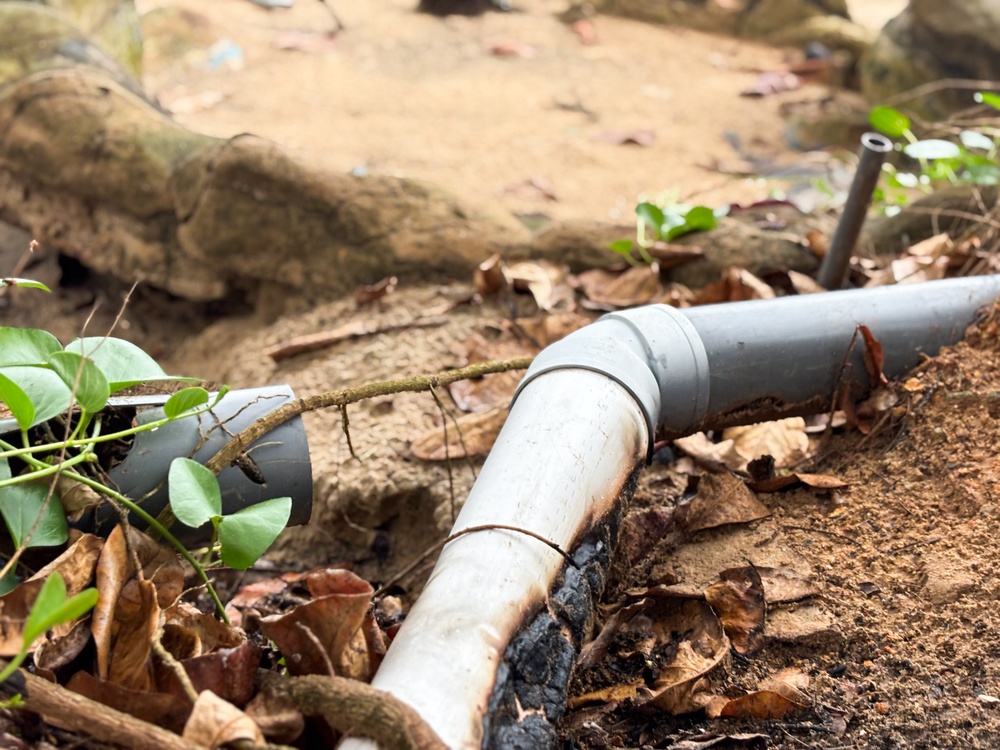
A tree can look completely healthy above ground while its roots create serious problems beneath the surface. Underground plumbing is particularly vulnerable because roots naturally seek moisture, and even a small crack or loose pipe joint can provide access to a reliable water source. Once inside, roots can expand, collect debris, and restrict wastewater flow. Understanding how tree roots damage underground plumbing can help homeowners recognize early warning signs before a minor intrusion develops into a major sewer-line problem. Information about pipe repair services can also help homeowners understand the different repair approaches available when underground piping has already been compromised. Why Tree Roots Target Underground Pipes Tree roots naturally grow toward sources of water and nutrients. Underground plumbing can become attractive when a pipe has a damaged joint, small crack, or other opening that allows moisture to escape into the surrounding soil. Roots do not normally break through an intact, properly sealed pipe simply because they are nearby. The problem often begins when an existing weakness provides an entry point. Once fine roots reach the moisture around the pipe, they can grow through the opening and develop inside the line. Over time, the root mass becomes larger and denser. Wastewater can still move through the pipe initially, but the roots create a rough surface that catches toilet paper, grease, sediment, and other debris. What begins as a relatively small intrusion can eventually become a significant blockage. How Root Intrusion Progresses Tree-root problems usually develop gradually rather than appearing overnight. This makes them particularly difficult to recognize during the early stages. A partially blocked pipe may continue functioning well enough that the homeowner notices only occasional changes in drainage. A toilet may flush slightly more slowly, a bathtub may take longer to drain, or a floor drain may occasionally gurgle. Because these symptoms can disappear temporarily, they are easy to dismiss. The problem can become more noticeable as the root growth expands. Repeated attempts to clear the line may restore flow for a while, but if the roots remain inside the pipe, the same blockage can return. This is why recurring drainage problems deserve more attention than a single isolated clog. If a line repeatedly becomes obstructed in the same area, the condition of the pipe itself may need to be investigated. Signs That Roots May Be Affecting Your Plumbing Not every slow drain is evidence of root intrusion. Hair, grease, soap residue, foreign objects, and ordinary buildup can all restrict drainage. However, certain patterns can indicate that the problem is farther downstream. Watch for these signs: Multiple fixtures draining slowly at the same time, particularly when they are located on different branches of the plumbing system. Toilets that gurgle when sinks, showers, or other fixtures are used. Recurring backups that return after the line has already been cleared. Wastewater backing up through a shower, floor drain, or other low fixture. Unusual sewage odors near drains or portions of the yard. Wet or unusually lush patches of grass over the approximate route of an underground sewer line. Root material appearing during drain or sewer-line cleaning. Drainage problems that become progressively more frequent despite previous clearing attempts. A single symptom does not confirm a root problem. The pattern, location, history of recurring blockages, and condition of the pipe all matter. Why Repeated Cleaning May Not Solve the Problem Mechanical drain cleaning can sometimes cut through or remove root growth and restore water flow. However, clearing the immediate obstruction does not necessarily repair the pipe that allowed the roots to enter. If a damaged joint or crack remains, roots may return. Continued root growth can also create another blockage after the initial clearing. This is one reason recurring sewer problems can become frustrating for homeowners who repeatedly treat the symptoms without identifying the underlying condition. A sewer camera inspection can provide a much clearer picture. A camera inserted into an accessible section of the line can show whether roots are present, where they are located, and whether the pipe has additional problems such as cracks, breaks, corrosion, or separation at the joints. Seeing the inside of the pipe is particularly useful when deciding whether another cleaning is appropriate or whether the damaged section requires a more lasting repair. How Tree Roots Can Cause Structural Pipe Damage Roots do more than obstruct the passage of wastewater. Their presence can also reveal or contribute to structural problems within an underground pipe. When roots enter through a crack or failed joint, their continued growth can place additional stress around an already weakened area. The surrounding soil may also shift or settle, leaving sections of pipe misaligned or unsupported. In older plumbing systems, the risk can be greater because some pipe materials and joints deteriorate over decades. Corrosion, aging connections, and existing cracks can create opportunities for root intrusion. The result can be a combination of blockage and structural deterioration. In that situation, repeatedly clearing the roots may restore drainage temporarily without addressing the underlying condition. What Happens When Roots Reach the Main Sewer Line? Root intrusion becomes especially disruptive when it affects the main sewer line leaving the home. This pipe carries wastewater from multiple fixtures, so a restriction can affect several parts of the plumbing system at once. A homeowner might notice a toilet bubbling when a washing machine drains, water backing up into a shower after several fixtures are used, or multiple drains becoming slow within a short period. These patterns can indicate that the restriction is farther along the drainage system rather than inside one individual fixture. A main-line problem should be approached differently from a simple sink or tub clog. Continuing to send large amounts of water into a restricted line can increase the likelihood of a backup. Repair Options Depend on the Pipe’s Condition Once root intrusion has been identified, the appropriate solution depends on more than the presence of roots. The condition of the pipe, location of the damage, accessibility, material, and extent of deterioration all influence the