
Slab Leak Detection in Bellevue: What Can Be Found Before Breaking Concrete?
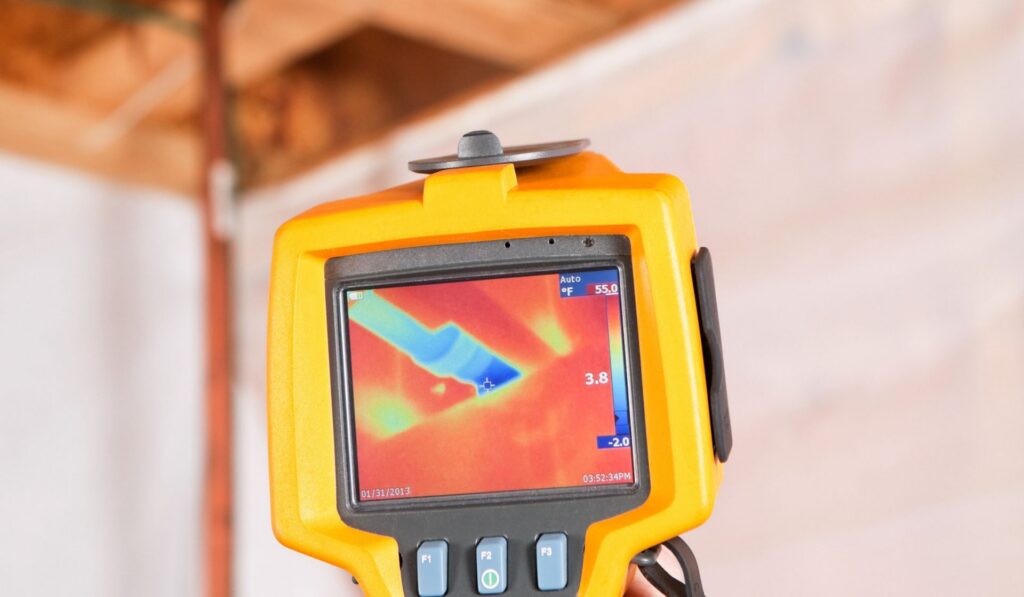
Something’s not quite right in your house and you suspect it’s a water leak. You lift a corner of carpet and find damp flooring. Maybe there’s a warm patch on the floor, or rising water bills that makes no sense. Then someone mentions “slab leak,” and you picture jackhammers in the living room. Slow down. Slab leak detection in Bellevue should start with investigation and evidence, not demolition. And the right diagnostics can show which line is actually leaking, roughly where, and how confident you can be, all before a single inch of concrete is opened. Confirm the Plumbing Layout Before Assuming a Slab Leak Is your plumbing actually under the slab? Not every home is built that way. Many houses have supply lines in the walls, ceilings, or crawlspaces. A water leak in one of these locations becomes a quite different job. Even slab-on-grade homes often mix under-slab runs with lines elsewhere. So, what can you do? Start with paper. The original house plans, any remodel permits, and even past plumbing invoices can show where pipes run and where they were rerouted. Repiping history matters too, since a home may have old and new lines side by side. Locating pipes under concrete is far easier when the layout is known up front. The Occupational Safety and Health Administration (OSHA), for example, recommends reviewing available drawings before starting any underground drilling work. They point out that buried utilities may be undocumented or located differently than expected. That’s especially relevant in older homes where decades of repairs and renovations may have altered the original plumbing layout. Fortunately, Bellevue and Redmond do not have a large concentration of truly old homes, because the cities mainly developed and expanded during the mid-20th century. Most older houses typically consist of mid-century single-family homes that were built during the area’s post-war suburban boom. But what if there are no records? A plumber can often work out likely routes by following where lines enter the house and branch off. The proper strategy is layout first. Assumptions later. Which Symptoms Justify Further Investigation? What does a slab leak actually look like? Often, nothing dramatic. The warning signs tend to be subtle: A warm spot on the floor, which can point to a hot water pipe leak beneath the foundation Dampness, buckled flooring, or a musty smell The sound of running water when every fixture is off A meter that moves when no one is using water in the house But here’s the catch: no one symptom proves a slab leak. A warm floor can also come from sunlight or a heating system. Moisture can be the result of drainage or groundwater, which is why foundation leak versus plumbing leak is a real question. Water sounds may actually be coming from pipes in nearby walls. And your meter movement could simply be a running toilet. Symptoms are a reason to investigate. By themselves they don’t necessarily indicate an actual slab leak, however. What Non-Invasive Detection Can Narrow Down How do you find a leak you can’t see? Non-invasive slab leak detection usually combines several methods, because each one answers a different question. Line isolation. Isolating or pressure-testing individual lines, such as the hot side versus the cold side, shows which line is losing water. The limit: it identifies the line, not the exact spot. Acoustic listening. Sensitive microphones pick up the sound of escaping water along the floor. Acoustic leak detection for slab leaks works best when conditions are quiet. Pipe material, depth, water pressure, and background noise can all muffle or mislead the reading, and sound can travel along a pipe, so the loudest point isn’t always the leak. Thermal imaging. Thermal imaging for water leaks shows temperature differences at the surface, which can reveal a warm patch over a hot water line. The limit: cold water leaks are subtler, and flooring type or radiant heating can hide or imitate a leak. No single tool settles the question. Cross-checking methods raises confidence. Even then, the results simply narrow an area to inspect. They rarely mark the exact spot. What to Ask Before Concrete Is Opened As a homeowner, you don’t want to pay for a “best guess”. Before authorizing any concrete work, get clear answers. Here is a checklist that keeps the conversation between you and your plumber honest: Which line is suspected, and how was that determined? What evidence supports it: isolation results, sound, heat, or all three? How certain is the location, and what is the margin of error? Where would access be opened, and how large is the opening? Are there alternatives to breaking the slab, such as rerouting the line? What happens to flooring, finishes, and cleanup afterward? Good answers build trust. Vague ones are a warning. One honest caveat. Non-invasive detection does not guarantee a repair without demolition. Slab leak repair without extensive demolition is sometimes possible, but it depends on the line, its location, and the home. The goal is to open the smallest area necessary, and only when the evidence supports it. Frequently Asked Questions Can a leak be located without removing flooring? Often, yes. Acoustic and thermal methods work from the surface, so flooring usually stays in place during detection. Thick flooring, radiant heat, or deep pipes can reduce accuracy, and the repair itself may still require access. What affects slab leak detection cost in Bellevue? Home size and layout, how many lines need isolating, how accessible the area is, and how many methods are needed all play a part. Ask for an estimate before work begins. Steve’s Plumbing provides a detailed estimate after assessing the situation. Get Answers Before You Get a Jackhammer Steve’s Plumbing serves Bellevue, Kirkland, and Redmond homeowners who want clear evidence before making big decisions. Whether you need slab leak inspection in Kirkland or help with an under slab plumbing leak in Redmond, request an assessment and an explanation of your options. Contact us today