
7 Simple Plumbing Maintenance Tips You Can Do Yourself
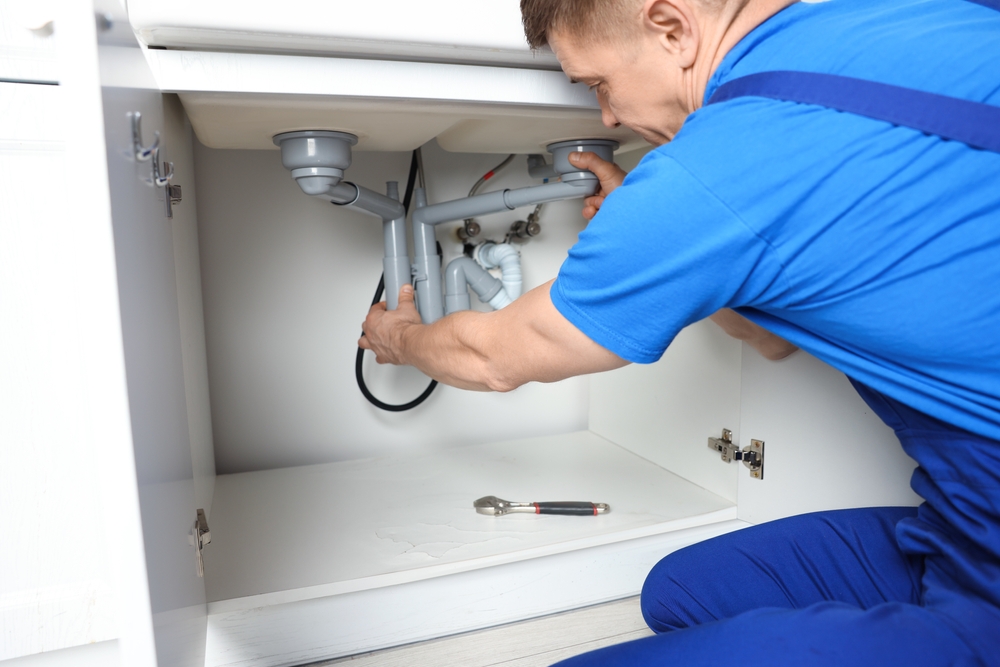
Most homeowners do not think about their plumbing until something stops working. A slow drain, dripping faucet, running toilet, or unexpected leak can quickly turn a routine day into an expensive repair. Fortunately, many basic maintenance tasks can be handled before problems become serious. Following a few practical plumbing maintenance tips can help you spot developing issues, reduce unnecessary wear, and keep water moving properly through your home. These simple habits are also useful alongside routine plumbing repair services when a problem goes beyond what a homeowner can safely handle. 1. Check for Small Leaks Regularly Small leaks are easy to overlook, particularly when they occur underneath cabinets, behind toilets, or around appliance connections. A few drops may not seem important, but persistent moisture can damage cabinetry, flooring, drywall, and other nearby materials. Leaks can also waste water continuously, even when the amount escaping at any one time appears insignificant. Once a month, take a few minutes to inspect visible supply lines, shutoff valves, faucet connections, and the area underneath sinks. Look for water spots, corrosion, mineral deposits, dampness, or a musty smell. Toilets deserve attention as well. A toilet that continues running after the tank has filled can waste a surprising amount of water. If you find a small leak, determine whether the water can be safely stopped at a nearby shutoff valve. Avoid overtightening connections, since excessive force can damage fittings or seals. A recurring leak, leak behind a wall, or leak from a pressurized main line is a different situation and may require further diagnosis. 2. Keep Hair, Food, and Debris Out of Drains Many drain problems begin with materials that should never have entered the plumbing system. Hair is a common problem in bathroom drains, while food particles, grease, coffee grounds, and fibrous scraps can contribute to kitchen blockages. Installing inexpensive drain strainers can prevent much of this material from entering the pipes. In showers and bathroom sinks, clean the strainer regularly rather than allowing collected hair to wash down the drain. In the kitchen, scrape food scraps into the trash or compost before washing dishes. Grease deserves particular attention. Hot grease may flow easily while it is in the pan, but it can cool and solidify farther inside the plumbing. Over time, layers of grease can combine with food particles and restrict the inside of the pipe. Let cooking fats cool, place them in a container, and dispose of them properly instead of pouring them down the sink. 3. Be Careful About What You Flush Toilets are designed to carry human waste and toilet paper through the drainage system. Other materials can create blockages even when they are marketed as flushable. Paper towels, cleaning wipes, feminine hygiene products, cotton swabs, tissues, and similar materials should generally go into the trash unless specifically intended for flushing. Products that do not break down readily can become caught in bends, pipe joints, or existing buildup. A useful household rule is simple: if it does not belong in the toilet, do not flush it. This habit is particularly important in older plumbing systems or homes that have experienced recurring drain problems. If a toilet begins flushing slowly or requires repeated plunging, do not continue flushing in an attempt to force the obstruction through the line. Repeated flushing can turn a partial blockage into an overflow. 4. Inspect Your Water Heater Water heaters work continuously, so periodic visual checks can help identify developing problems. You do not need to disassemble the appliance to perform a basic inspection. Look around the base of the tank for moisture, rust, or signs of corrosion. Check the visible connections for dripping or mineral buildup. Pay attention to changes in hot-water performance as well. Water that suddenly becomes lukewarm, takes longer to heat, or runs out much faster than usual can indicate a developing issue. For tank-style water heaters, homeowners should also know where the water shutoff and fuel or electrical controls are located. In an emergency, knowing how to isolate the appliance can help limit damage. Do not attempt repairs involving gas connections, electrical components, pressure-relief equipment, or internal water-heater parts unless you have the appropriate knowledge and training. Basic observation is useful, but some maintenance tasks require specialized procedures. 5. Know Where Your Main Water Shutoff Is One of the simplest ways to prepare for a plumbing emergency is to know where the home’s main water shutoff valve is located. A burst pipe or major leak can release a large volume of water in a short period, and waiting to find the valve can increase the resulting damage. The main shutoff is often located where the main water service enters the home, although its exact position varies by property. Once you locate it, make sure the valve is accessible and that household members know what it does. It is also useful to identify individual fixture shutoffs beneath sinks and behind toilets. These smaller valves allow you to isolate one fixture without necessarily shutting off water to the entire home. As part of your routine plumbing maintenance tips, test accessible shutoff valves carefully if their condition is unknown. Do not force a valve that is stuck or heavily corroded. A damaged shutoff can create another leak when someone attempts to operate it. 6. Check Faucets, Toilets, and Fixtures for Changes Plumbing fixtures often provide early clues that something is changing inside the system. A faucet that begins dripping, a toilet that runs intermittently, or a shower that drains more slowly than it once did should not automatically be treated as normal aging. Listen to your plumbing as well as looking at it. Gurgling drains, unusual banging when water shuts off, or unexplained sounds behind walls can sometimes indicate pressure, drainage, or flow problems. Pay attention to changes in water pressure. A gradual change throughout the house can have a different cause from a pressure problem affecting only one fixture. Similarly, a single slow drain may involve localized buildup, while several slow drains at