The Cost of Ignoring Winter Plumbing Maintenance

winter plumbing, winter plumbing maintenance, plumbing maintenance, plumbing inspection, plumbing inspections

Winter brings cozy vibes, hot drinks, and holiday cheer—but it can also bring major plumbing problems if your system isn’t ready for the seasonal shift. While some issues may seem minor, ignoring basic winter maintenance can snowball into expensive repairs, water damage, and serious disruption when you least expect it. Here’s a look at what can go wrong—and what it could cost you—if you choose to skip winter plumbing maintenance. 1. Small Leaks That Turn Into Big Repairs Maybe it’s a slow drip under the sink. Maybe it’s a little moisture near your water heater. Easy to ignore, right? The problem is, leaks never get better on their own. Left unchecked, they can damage cabinets, warp flooring, or lead to mold growth in hidden areas. The real cost: Hundreds (or even thousands) in home repairs, plus higher water bills. 2. Water Heater Trouble Your water heater works harder in the colder months—especially with houseguests, holiday cooking, and longer showers. If it hasn’t been flushed or checked in a while, sediment buildup can reduce efficiency or even lead to failure. The real cost: No hot water when you need it most—and a pricey replacement you didn’t plan for. 3. Clogs and Backups from Heavy Use Winter usually means more time at home, possibly more people in the house, and more stress on your plumbing system. Toilets, sinks, and showers are getting extra use, and even minor blockages can escalate quickly. The real cost: Emergency calls, unpleasant odors, and potential water damage from overflow. 4. Drain Line Buildup Cold weather and heavy use can make existing drain problems worse. Grease, soap scum, food particles, and hair can build up fast in winter—especially if you’re cooking more or entertaining guests. The real cost: Slow drains, foul smells, and in some cases, a total pipe blockage requiring hydro jetting or even excavation. 5. Water Damage from Missed Maintenance Water damage doesn’t always happen dramatically. Sometimes it creeps in slowly—behind walls, under floors, or inside cabinets. If you’re not inspecting key areas during winter maintenance, you might not notice until it’s too late. The real cost: Structural damage, ruined flooring, and potentially hazardous mold. 6. Voided Warranties or Denied Insurance Claims Did you know some plumbing fixtures, water heaters, and appliances require regular maintenance to stay under warranty? Insurance claims can also get tricky if the damage is due to lack of upkeep. The real cost: Out-of-pocket repairs for something that may have been covered—if only you’d kept up with maintenance. So… What Should You Be Doing Instead? Winter plumbing maintenance doesn’t have to be complicated. Here are a few key steps: Flush and inspect your water heater Check under sinks and around toilets for leaks Clean out drains and remove buildup Inspect washing machine hoses and dishwasher lines Disconnect outdoor hoses and check hose bibs Schedule a professional inspection (especially before or after hosting guests) Contact Steve’s Plumbing to Schedule Plumbing Maintenance in Lynnwood, WA and the Surrounding Areas Ignoring your plumbing system won’t save you money—it’ll just delay the inevitable (and make it worse). A seasonal tune-up can catch small issues before they explode into holiday-ruining disasters. Need help getting your plumbing winter-ready? Call Steve’s Plumbing today at (425) 451-2444 and schedule a maintenance visit. Your home—and your future self—will thank you.

What is Hydro Jetting – And Do You Really Need It?

hydro jetting, benefits of hydro jetting, what is hydro jetting, do you need hydro jetting, plumbing, plumber

If your drains have been acting up—sluggish, smelly, or constantly clogging—you might’ve heard the term hydro jetting thrown around by a plumber or two. But what exactly is it, and is it something your home actually needs? Let’s break it down in plain language. So, What Is Hydro Jetting? Hydro jetting is like a power wash for the inside of your pipes. It uses high-pressure water (we’re talking thousands of PSI) to blast away years of built-up gunk, grease, tree roots, and anything else clinging to the walls of your plumbing system. Unlike snaking, which just punches a hole through a clog, hydro jetting cleans your pipes wall to wall—getting rid of buildup and helping prevent future blockages. What Problems Can It Solve? Hydro jetting is incredibly effective for: Recurring clogs in sinks, tubs, or floor drains Grease buildup from years of kitchen use Tree root intrusions in older sewer lines Slow-draining pipes with no clear cause Odors coming from your drains or sewer line It’s a great option when traditional drain cleaning methods just aren’t cutting it—or when you want a thorough clean, not just a quick fix. Do You Really Need It? Not every clog calls for hydro jetting. Sometimes, a basic auger or drain snake will do the job just fine. But if you’ve been dealing with repeat blockages, slow drains, or sewer backups, hydro jetting can be the smarter long-term solution. Here are a few signs it might be time: You’ve had multiple drain cleanings, but clogs keep coming back Water drains slowly even after snaking You’re buying drain cleaner more often than groceries (don’t do that, by the way—those chemicals can damage your pipes) There are weird gurgling sounds or odors from your drains Your plumber has recommended it after a camera inspection If you’re unsure, most plumbing companies can scope your line first to see what’s going on inside. Why Homeowners (and Businesses) Love It Super effective – It clears what snaking can’t Chemical-free – Just pressurized water, so it’s environmentally safe Prevents future clogs – By actually cleaning the pipe, not just poking holes Works on all types of buildup – Grease, sludge, roots, you name it Saves you money – Fewer emergency calls, fewer recurring clogs If your pipes need a deep clean—not just a quick fix—hydro jetting could be the best thing you do for your plumbing system this year. Want to talk it through with a pro? We’re just a phone call away. Contact Steve’s Plumbing for Hydro Jetting in Lynnwood, WA and the Surrounding Areas If you’re dealing with stubborn clogs or slow drains, Steve’s Plumbing, LLC offers professional hydro jetting services right here in Lynnwood and beyond. Whether it’s your kitchen drain or main sewer line, we’ve got the equipment and experience to get things flowing again—fast. Give us a call at (425) 451-2444 to schedule a service or ask if hydro jetting is right for your situation. Straightforward pricing, honest advice, and no pressure—just solutions.

Why You Should Insulate Pipes Before Winter Hits

frozen pipes, pipe insulation, winter plumbing prep, insulate pipes, plumbing

Let’s talk about something that’s not exactly glamorous but super important for your home’s health as winter creeps in—pipe insulation. Now, before you start zoning out, we promise this isn’t just another boring “home maintenance” checklist item. This one could actually save you from some serious headaches (and expenses) when temperatures drop. What’s the Big Deal About Pipe Insulation? When water freezes, it expands. So if your pipes aren’t protected, that ice can cause them to burst—flooding your home and ruining your day. And trust us, frozen pipe repairs are not on anyone’s holiday wish list. But here’s the thing: this disaster is totally preventable with a little pre-winter prep. Here’s Why You Should Insulate Your Pipes Now (Not Later): 1. Prevent Frozen Pipes Insulation acts like a cozy jacket for your plumbing. It keeps the warmth in and the cold out—especially for pipes in unheated spaces like basements, crawl spaces, garages, or exterior walls. 2. Save on Energy Costs If you have a hot water pipe running through a cold area, it loses heat fast. That means your water heater has to work overtime. Insulating pipes helps water stay warm, so your system doesn’t have to work as hard (and you don’t have to pay as much). 3. Hot Water, Faster Ever turn on the tap and wait… and wait… for hot water? Insulated pipes help speed that up. Less waiting, less wasted water, more comfort. Win-win-win. 4. Avoid Costly Repairs Here’s the not-so-fun math: a roll of pipe insulation might cost a few bucks. A burst pipe repair? That’ll run you hundreds—if not thousands. Insulating pipes is a small investment that protects you from big bills later. 5. Peace of Mind When the Freeze Hits Imagine a snowstorm rolls in, temperatures plummet, and you’re not stressed about your plumbing. That peace of mind is worth its weight in insulation foam. Which Pipes Should You Insulate? Focus on any pipes that run through: Unheated basements Garages Attics Crawl spaces Exterior walls Outdoor spigots (yes, even those need a little love!) Not a DIY Pro? That’s Okay. Pipe insulation is a fairly simple DIY job with the right materials—but if crawling around in your attic with foam tubing isn’t your idea of a good time, we’ve got you. Our team can inspect your pipes and make sure they’re winter-ready before the first freeze hits. Contact Steve’s Plumbing for All Your Pipe Insulation Needs in Lynnwood, WA and the Surrounding Areas Today Insulating your pipes now saves money, protects your home, and gives you one less thing to worry about when the weather outside gets frightful. Let’s get ahead of the cold. Call us today to schedule your winter prep service—we’ll help keep things flowing, no matter how low the temps go.

Common Plumbing Fixes a Plumbing Contractor Can Handle Quickly and Efficiently

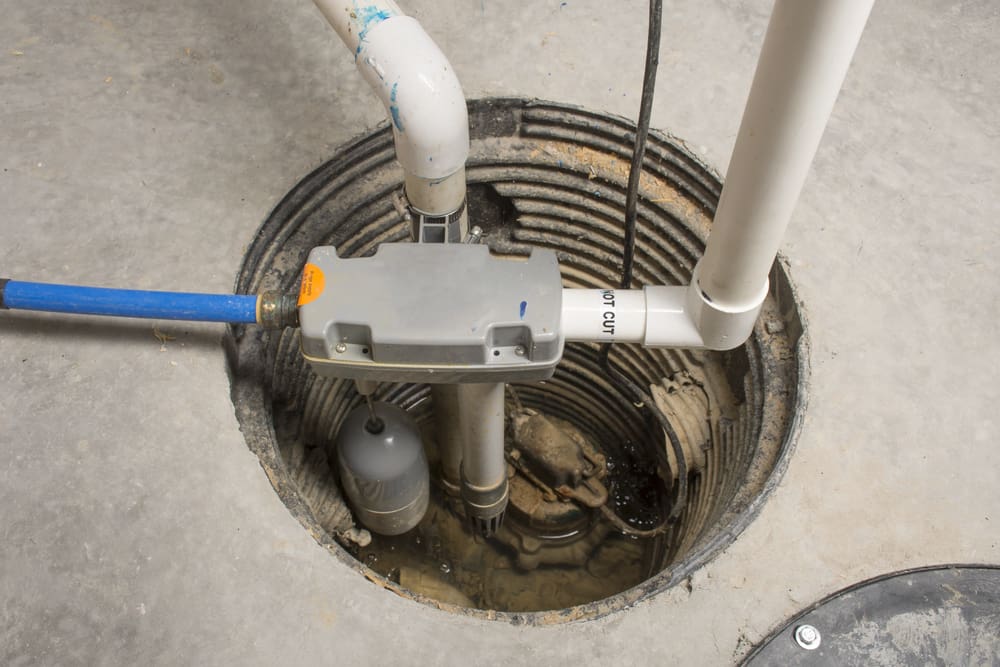
Plumbing issues are an inevitable part of homeownership, and they often require immediate attention to prevent further damage. While some problems can be fixed with a do-it-yourself approach, many require the expertise and efficiency of a professional plumbing contractor. Hiring a skilled plumber not only ensures that the issue is resolved quickly but also provides peace of mind knowing that the job is done right. In this post, we’ll explore some common plumbing fixes that a contractor can handle swiftly and effectively, saving you time and potentially costly repairs down the road. Fixing Leaky Faucets to Prevent Costly Water Waste One common issue that many homeowners face is a leaky faucet. Though it might seem like a minor inconvenience, a leaky faucet can quickly escalate into higher water bills and even water damage if left unchecked. A professional plumber can easily identify the cause of the leak and make the necessary repairs, whether it involves replacing a worn-out washer or installing a new faucet altogether. By addressing this issue efficiently, plumbers help conserve both water and money for homeowners. Clearing Clogged Drains for a Smooth-Running Home Clogged drains are another frequent headache for residents, especially in bathrooms and kitchens where water usage is high. Blockages can be caused by a variety of factors, such as hair, food particles, or grease buildup. A plumbing contractor can quickly diagnose the root of the problem using specialized tools like plumbing snakes or hydro jets and restore your drains to optimal function. Proper maintenance and periodic cleaning by a professional also help prevent future clogs, ensuring a smoother flow of daily activities in your home. Protecting Your Basement from Water Damage and Flooding Basement water damage is a significant concern, with Ruby Home Luxury Real Estate noting that 98% of basements in the U.S. experience some form of water damage at least once. Plumbers are adept at handling basement water issues, be it faulty sump pumps or inadequate drainage systems. With their expertise, they can suggest and implement solutions that effectively prevent water intrusion, safeguarding your home’s foundation and belongings. This proactive approach not only addresses the immediate problem but also contributes to the long-term integrity of your home. While some plumbing issues might seem manageable on your own, many require the quick and efficient expertise of a plumbing contractor. From fixing leaky faucets and clearing clogged drains to addressing critical basement water damage, professional plumbers provide invaluable services that protect your home and wallet. Investing in a qualified plumber ensures that plumbing problems are resolved promptly, allowing you to focus on the more enjoyable aspects of homeownership. For reliable plumbing solutions and expert service, call Steve’s Plumbing today!

Why Regular Plumbing Service is Essential for Preventing Costly Repairs

plumbing service

Plumbing is one of those essential home systems that we often take for granted until something goes wrong. Routine plumbing maintenance is crucial not only for maintaining a healthy water system but also for avoiding costly repairs in the future. Investing in a regular plumbing service can save homeowners from unnecessary headaches, unexpected repair bills, and potential property damage. Prevent Issues With a Regular Plumbing Service One key benefit of a regular plumbing service is the early detection of potential issues. By having a professional inspect your plumbing system, potential problems such as leaks, clogs, or corrosion can be identified and addressed before they escalate into costly repairs. Timely intervention can ensure that minor fixes do not turn into major plumbing emergencies, keeping your home safe and your wallet intact. Moreover, professional plumbers are trained to spot defects that can often go unnoticed by the untrained eye, providing peace of mind to homeowners. Extend the Life of Your Plumbing Fixtures Regular plumbing maintenance not only helps in avoiding sudden mishaps but also prolongs the life of your plumbing fixtures. For example, the flushing mechanism, which traces its roots back to its patent by Alexander Cumming in 1775, according to Sensible Digs, has evolved significantly over time. Newer systems are more efficient but also require regular servicing to ensure they function optimally. By maintaining your plumbing fixtures, they last longer, operate efficiently, and reduce the strain on your plumbing system, which, in turn, reduces wear and tear. Avoid Costly Emergencies with Proactive Plumbing Maintenance Financially, a routine plumbing service can save homeowners a substantial amount of money in the long run. Emergency plumbing repairs are not only stressful but also come with a hefty price tag. Preventative maintenance, by contrast, is a small investment that pays off big. Regular inspections and minor repairs can make sure that your plumbing system runs smoothly and decreases the likelihood of expensive emergencies. Furthermore, a well-maintained plumbing system can contribute to a higher resale value for your home, making it a wise investment for the future. A regular plumbing service is essential for preventing costly repairs and maintaining the efficiency and longevity of your home’s plumbing system. Engaging a professional plumber to carry out regular check-ups can provide peace of mind and protect your home from the chaos and expense of unexpected plumbing failures. To take care of all your major and minor plumbing needs, contact Steve’s Plumbing today!

Common Winter Plumbing Issues

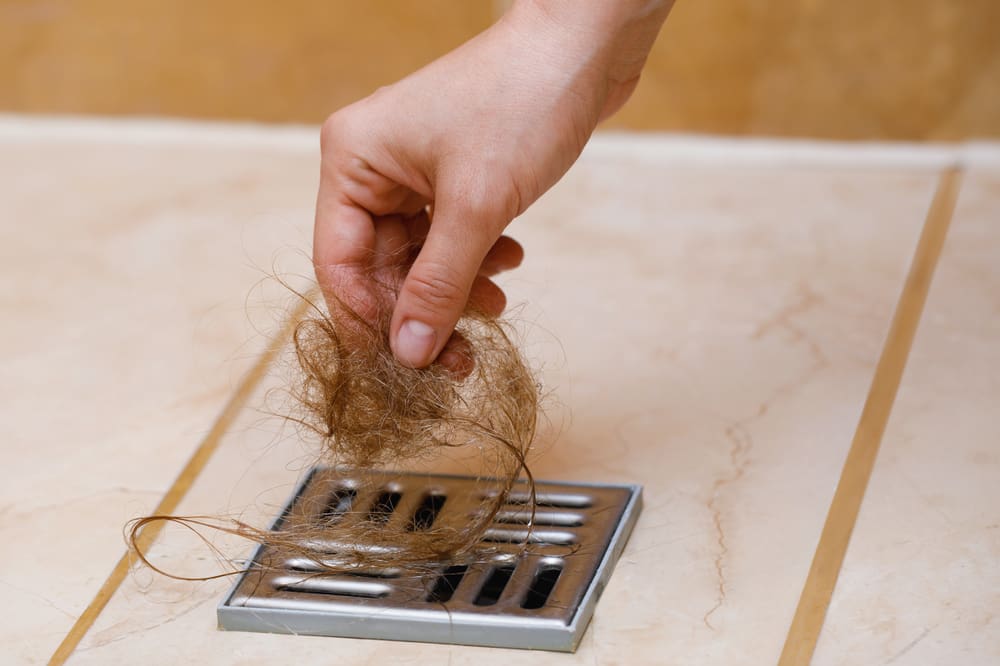
Winter is hard on plumbing. As the temperatures drop, the potential for damage to your pipes and plumbing system increases. Whether you’re new to homeownership or new to Washington, it’s good to know what to expect during the winter months as the temperatures trend downward so you can protect your Lynnwood, WA, home. Dealing with your plumbing in winter is a lot easier if you know what to look for. Having even just a little knowledge of what some of the biggest issues look like can help you to quickly diagnose a potential problem and get it fixed before the situation can get any worse. Here’s a quick look at some of the most common winter plumbing issues so you aren’t caught off guard this season: Frozen Pipes  By far the most common problem that can affect your plumbing, frozen pipes are something you’ve likely already been warned about. Frozen pipes are the result of water trapped in the pipes freezing solid. As the water freezes and expands, it gets bigger and heavier and can potentially lead to the pipes bursting. This issue can affect both the pipes inside and outside of your Lynnwood, WA, home. Indoor Pipes Plumbing lines that run along the exterior walls of your home or pipes in uninsulated areas are the most vulnerable. These pipes are exposed to colder temperatures and have an increased likelihood of freezing when the temperatures fall too low. To prevent the pipes bursting, it’s helpful to: Turn On The Water As soon as the temperatures drop to or below freezing, turn on your faucets to allow water to keep moving through the pipes. This steady dripping helps to reduce the pressure in the lines. You don’t need to turn them all of the way on, just enough to where there’s a noticeable drip. Install Insulation There are a lot of different ways to insulate pipes, from foam sleeves to heating tape, all of which are easy to install. Focus on your home’s most vulnerable pipes, the ones that are along exterior walls, as these are the ones closest to the cold outside. Open The Cabinets Open up the cabinet doors under your sinks to exposed closed-off pipes. This exposure allows warm air from the home to circulate through the cabinets and helps prevent frozen lines or pipes bursting. Outdoor Pipes It’s no surprise that the plumbing outside your home is particularly susceptible to freezing temperatures. You can reduce the risk of damage with a few simple preparations prior to the cold arriving. Get the Pipes Blown Out When sprinkler season ends, it’s a good time to have your pipes blown out. This process eliminates any water sitting in the lines, so it can’t freeze up in the winter. Once the pipes are cleared, shut off the valve that serves the outdoor spigot to prevent any more water or moisture from accumulating in the pipes. Disconnect Hoses  Disconnect any hoses that are attached to your outdoor plumbing fixtures and bring them inside for the winter. Insulate Insulate outdoor pipes the same way you insulate indoor pipes protect the lines that carry water to the outdoor spigots. Signs of Burst Pipes If a pipe bursts in your home from the freezing temperatures, it can create some pretty costly damage, so the sooner you can catch it, the better. If the pipes are frozen, you’ll tell right away from the lack of running water. You’ll need to call a licensed plumber to help thaw them out before they burst. If you aren’t able to catch the pipes before they burst, there are some key signs to let you know that it’s happened, such as: Damp drywall Rings on ceilings Bubbling paint on the walls or ceiling Musty smells Banging, clanking, or whistling sounds If you notice any of these issues around your home, call a plumbing professional immediately. Clogged Drains With the winter months comes the holiday season, and with the holidays, more guests potentially stay in or visit your home. This increased traffic leads to one of the most common winter plumbing issues: clogged drains. The increased number of people in your Lynnwood, WA, home puts additional strain on the plumbing. With increased food waste going down the drains from holiday meals, more hair accumulating in the shower drains, and more toilet flushes, it can all add up to the potential for more drain clogs. A clogged drain in your home, though frustrating, is an easy fix for a skilled plumber. If you’re thinking about saving money by using a liquid drain cleaner, don’t. These cleaners contain caustic chemicals that can make the problem worse. If your drain is backed up, call in a professional to make sure it’s cleared correctly the first time. The only thing worse than a clogged drain is a damaged one, so don’t take any chances. If multiple drains in your home are clogged, it’s not a coincidence. It’s likely a clog in your plumbing’s mainline that requires a professional plumber to fix. If you’re expecting an influx of family and friends in your home during the holidays, you can also get ahead of the game by making sure your drains are ready for the additional strain. Professional drain cleaning is the best way to make sure your plumbing is clear prior to the increased workload. Drain cleaning should be done annually to keep your pipes clear of grease build-up and debris, but if it’s been a while, or you feel the lines are due for a cleaning, call the pros to help avoid any unexpected plumbing problems this holiday season. Water Heater Issues An increase in people staying in the home isn’t just hard on the pipes. It places an increased demand on your water heater as well. You may begin to notice that showers aren’t lasting as long as they used to or that it’s taking a lot longer for the water to heat up. Problems with water heaters during the winter months aren’t

5 Main Types Of Plumbing Pipes Used In Homes

When you think about your home’s plumbing system, it might seem pretty straightforward. One set of pipes brings clean water to the taps, and another set of pipes carries wastewater away.   But have you ever stopped to think about what all those pipes are made of and what their specific functions are within your home’s plumbing system? If one of your pipes bursts or is in need of repair, do you know what questions to ask your plumbers? This article is designed to inform you about all five types of plumbing pipes that reside in your home. By learning more about how the different pipe types function, you will be better equipped to make decisions regarding your home plumbing in the future. This understanding can help you work closely with your local plumbing professional. Pros and Cons: Metal vs. Plastic Plumbing Pipes You know that pipes are the backbone of your home’s plumbing system, but when it comes time to repair or replace a busted-out pipe, should you go with a metal or plastic piping option? Well, there are a few things to keep in mind for each type of material. Metal is durable but rigid, and plastic is flexible but might wear out faster. Additionally, there are different options for specific types of pipe plumbing, even within the broader choice of metal or plastic. To find out which choice will benefit you and your home the most, you might want to ask professional plumbers to give you some advice. In the meantime, here are some things to keep in mind when it comes to the pros and cons of metal and plastic pipes: Pros of Metal Pipes Metal has some great advantages when it comes to plumbing. It’s the most common kind of piping in older homes. If you’re a resident of Everett, Lake Stevens, or Marysville, you are probably familiar with older homes, which means that it is likely you’ve seen some of these types of pipes up close and in person. Metal pipes come in three kinds of metal: Copper Galvanized Steel Cast Iron While there are technically three types of metal piping, the one most plumbers today are focused on is copper. Copper is king in the world of plumbing. It is used for your water supply and is completely safe to use within the home. There are no health risks associated with copper, and the material can withstand immense heat and physical pressure, making it an ideal carrier of your hot, highly-pressurized shower water. Copper is also monetarily valuable, even when the piping itself is old or damaged. You can always sell copper scraps for money. If you need a plumbing repair on a water supply pipe and want to use metal piping, copper is a great choice! Cons of Metal Pipes The only viable option for metal piping is copper. Due to advancements in plumbing technology, we now know that any other metal is inferior, and only copper can handle the highly abrasive effects of a home plumbing system. Cast iron can rust through completely, and most plumbers use a hard plastic option (like ABS) to take its place. Furthermore, galvanized steel is no longer an option at all due to its highly erodible nature. This pipe material is only used for natural gas now. Pros of Plastic Pipes Plastic is the new kid in town with a lot of great qualities. Due to its malleable nature, this kind of piping is great for the twisting, corner-heavy walls of modern homes. It comes in a few different options, including: PVC Piping Flexi Piping PEX Piping ABS Piping Each of these plastic pipes can be more or less difficult to work with, depending on the type, but all of them are relatively easy for experienced plumbers to use. You can be certain that your local plumbing professional can install and repair plastic piping with ease. Cons of Plastic Pipes Their flexible nature can also be a downfall. Some plastic pipes are not very strong under intense heat, pressure, or even sunlight. If circumstances in your home’s plumbing system become at all strained, you could be looking at a burst pipe. It is also important to note that not all pipes are legally allowed due to different building codes. Depending on your place of residence, some areas may not permit one or more of these types of plastic pipes to be installed in your plumbing system. It may come as a surprise to find out how many types of pipes are not used or allowed everywhere, but that’s what makes having a variety of pipe options so great. While metal and plastic may seem very different at first glance, the one thing they have in common is the very careful considerations plumbers and zoning laws have when deciding on the best type of pipe to use in a home. If you would like to know about what pipes are allowed in your area, ask a professional about the zoning laws for pipes in Everett, Lake Stevens, and Marysville. What Do the Five Different Types of Pipes Do? Each particular piece of piping has a purpose. Some pipes are meant to bring in the water supply, and others are meant for drainage or venting. There is even a type of pipe that is meant to connect externally with your kitchen and bathroom sinks. Depending on where you live, there are some areas that do not zone for certain types of piping, which makes having a variety of choices even more important. If you are wondering about which pipe would work best in what role for your home in or near Everett, Lake Stevens, or Marysville, consider the following options: Water Supply Pipes Copper is strong and resistant to damage. It will not warp under heat or buckle under pressure. This metal is a tried and true option that has the capacity to last. However, it is a very expensive option when it comes to pricing.

Do You Know The Water Quality In Your Home

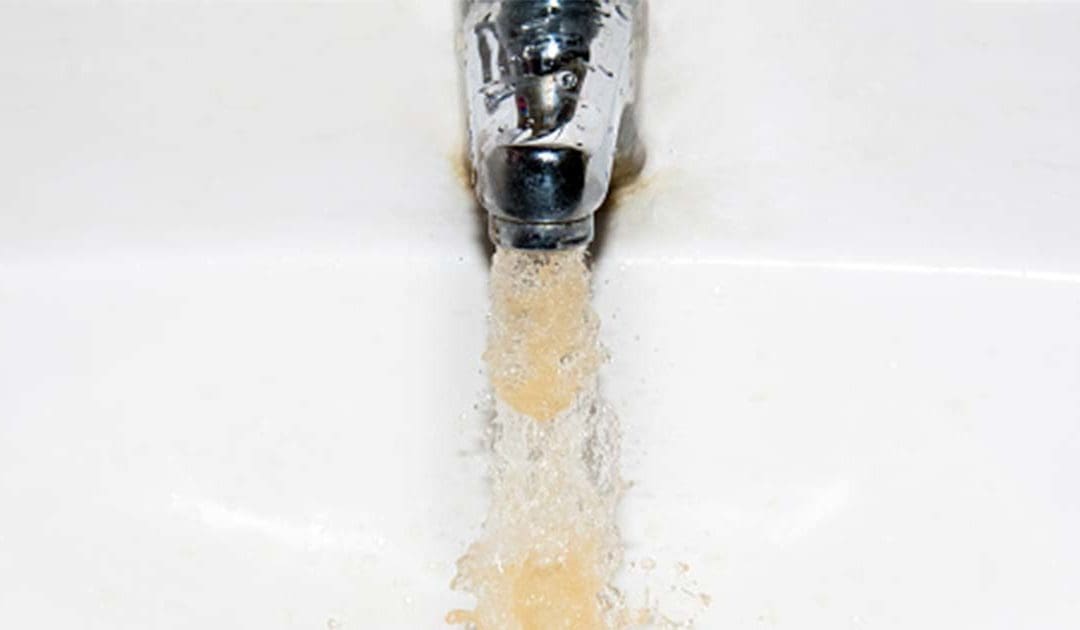
Hard water is a problem in many households, and most people live with it without realizing how it is affecting them. In truth, hard water contains chemicals that can adversely affect your health and your Lynnwood, WA, home’s plumbing. It can also damage appliances like coffee makers and dishwashers. Fortunately, you don’t have to live with poor water quality. When you hire plumbers to address the problem, they will test your water and offer solutions for removing those chemicals from your tap water. You’ll immediately notice the difference in the taste and cleansing power of the filtered water in your home.   What Factors Affect Tap Water? It’s not uncommon to find toxic chemicals in water since we draw our water from deep within the earth. As it flows through several layers of soil and sediment, fresh water collects chemicals from the earth. If the water isn’t properly filtered, this contaminated water, or hard water, will come through your Lynnwood, WA, faucets. In addition to an unhealthy buildup of calcium, other compounds found in hard water include magnesium, iron, and zinc. Depending on your location, other dissolved metals may be present in your water, such as barium, aluminum, and copper. While there are always some traces of these metals in tap water, higher concentrations will lead to harder water. You can tell that your home has a water quality problem by looking for a white film on your shower walls and shower curtain. Look at your faucets for a light green sediment as well. If you still feel soapy after rinsing off in the shower, this is another indication that you have hard water. These signs should prompt you to call plumbers in your area to test your home’s water for heavy metals.   What Are the Health Effects of Poor Water Quality? When you have hard water flowing through your plumbing system, it will affect the quality of your personal hygiene practices. For example, water with a high concentration of chemicals might cause your skin to become dry and leathery. If you experience itchiness, red blotches, and skin that appears aged, the problem may be with your Lynnwood, WA, home’s water quality. Your hair may also be adversely affected by washing it in hard water. If your hair seems drier than usual, don’t immediately blame your shampoo. Dry hair with tough tangles may be the result of the chemicals in hard water removing the natural oils in your hair. Once plumbers have added newer water filter services to your home’s plumbing, you’ll have a more pleasant experience when washing your hair. While hard water may not taste as good as filtered water, there isn’t any research to suggest that it’s harmful to your health. Even so, you can enjoy cleaner water that has a fresh taste when you ask plumbers to install point-of-use filtration devices. In addition to whole house filtration systems, a filter on each faucet will help remove more chemical compounds and sediment from your water.   How Does Poor Water Affect Your Lynnwood, WA, Home? Even though the health effects of hard water are minimal, your plumbing system will be negatively impacted. In general, the chemicals found in hard water will cause corrosion in your home’s plumbing and appliances. A higher concentration of chemicals in your water will mean your plumbing will be affected more quickly. Once you learn more about the specific ways hard water will affect your home, you will realize that getting better water filtration will save you money in the future.   Hard Water Scale Inhibits Water Flow There are certain minerals in hard water (chalk, calcium, limestone, etc.) that are common in the tap water of most Lynnwood, WA, homes. As these minerals build up and collect in the pipes, drains, and faucets of your home, you’ll see a light lime-colored sediment. This sediment will thicken over time, making it difficult for water to pass through screens and filters. Check for sediment if you experience decreased water pressure in your shower or kitchen faucets. The screen on a sink faucet or the jets in the showerhead may be clogged with sediment. If this is the case, you should have a plumber treat your home’s water before replacing or cleaning the fixtures. This will ensure the same thing won’t happen to your new faucet or showerhead.   Mineral Accumulation Leads to Clogged Pipes Mineral deposits can get thick enough to block the small holes in a screen, but they won’t grow large enough to block an entire plumbing pipe. Water can still pass through these areas in your pipes even when minerals have accumulated along the walls of your pipes. Unfortunately, those chemical deposits will still be significant enough to interact with soap as it flows through your pipes. This leads to the buildup of soap scum, which will be thick enough to trap hair, food particles, and anything else that’s flushed through your plumbing system. When enough waste is trapped by the soap scum and minerals in your pipes, a blockage will form. If you frequently experience clogged pipes, call a plumber to help you resolve your hard water problems. Cleaner water will flush the soap and debris through your pipes more effectively.   Hard Water Affects Your Curb Appeal You might also notice that mineral deposits can be seen in your sprinklers and garden hoses. If your sprinkler system sprays water onto your home, you’ll likely see a lime-colored film on your home’s siding, bricks, or stucco. Even though removing that film is simple, it won’t help if you don’t resolve your hard water problem first. Using hard water in your yard can also have unwanted effects on your lawn, plants, and shrubbery. The high mineral content can cause your grass and plant life to dry up in much the same way that it dries out your skin and hair. This is why your grass may not be as green as it should be or why you find it hard to

What Is Causing A Backup In My Shower

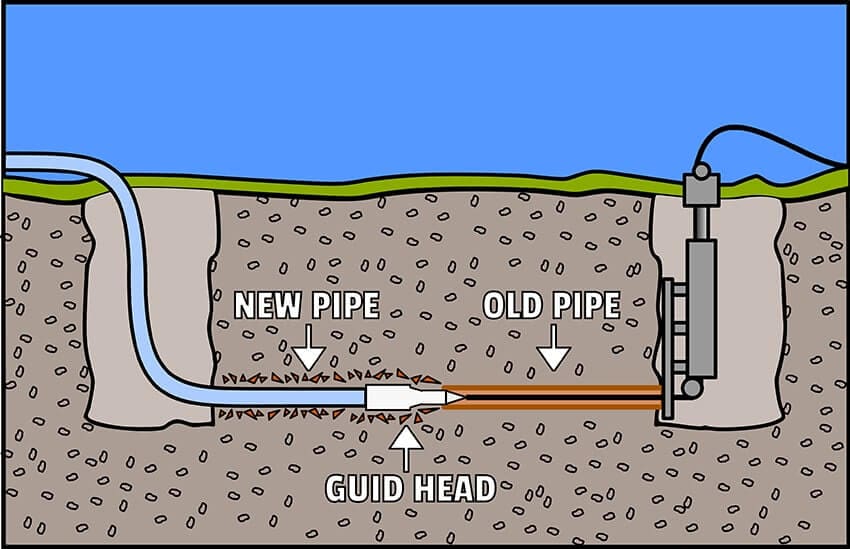
A backed-up shower is a surefire sign that there’s a clog or other plumbing issue in the home. If the shower or tub doesn’t drain as expected after use, it’s a good idea to figure out what is happening and what is needed to make sure it’s fixed properly. Read below to learn more about what could be causing a backup in the shower and what repairs may be necessary. Signs of a Clogged Drain A clogged drain is a common cause of a backed-up shower drain. When there is a clog, it can be noticed because there is trouble with the water draining in the shower after use. Other signs can include the toilet water bubbling or the smell of sewage coming from the drains. Clogs can also cause water to back up in other parts of the home. If water appears in the shower or tub while using the washing machine or toilet, it can be a sign that there’s a clogged pipe further in the system. Any of these signs should lead to calling in a professional for fast help. Though they might not be an emergency right now, the issue will only get worse over time. Plumbing Issues That Can Occur Shower drain issues are more than just a troublesome problem and may be a sign that there’s something wrong with the home’s plumbing. When there is a clog somewhere in the pipes, there are a few different plumbing issues that can occur. These issues will get worse if they are not handled with professional plumbing services promptly. Clogged Drains Clogged drains may mean water isn’t able to go down or may just go down slowly, leading to water backing up in the shower drain. When there is a clog, it’s important to unclog the drain to get the water flowing again. Stagnant water left in the shower or sink can become hazardous quickly if it’s not handled properly. Water Appearing in Shower If water appears in the shower when the washing machine or toilet is used, it’s a sign that there’s a drain clog that needs to be fixed. Wastewater can be hazardous, so if it appears in the shower when the shower isn’t being used, fast repairs are needed to fix the issue, keep everyone safe, and potentially prevent sewer line repairs if the issue gets worse. Damaged Pipes If the clogged drain is not repaired promptly, it can cause further damage. Pressure on one side of the clog can start to build up, which can lead to a burst pipe. When this happens, it’s going to require far more extensive repairs, and the cost of repair will increase. Solutions to Unclog Your Drains Depending on the severity of the clog, there are options available to help clear it and get the drain working again. Drain Cleaning For minor clogs or those close to the surface, a drain cleaning might be needed. This involves removing the clog or breaking it down so everything can go through the pipes, clearing the way for water. Hydro Jet Cleaning – If the drain is clogged anywhere in the pipes, hydro jet cleaning can remove it. This involves using a specialized tool to push pressurized water through the pipes to break down and remove the clog. Pipe Repair If the pipe is damaged because of the clog or damage further down in the pipes is causing the clog, pipe repair may be needed. The type of damaged pipe repair used will depend on the severity of the damage. Cured-In-Place Pipe Relining – In some cases, it may be possible to reline the pipe to fix it without having to dig up and replace the pipes. A cured-in-place pipe relining is a type of sewer line repair can prevent further damage to the property. Is water backing up into your shower? It’s likely happening because there’s a clog somewhere in the plumbing system. Steve’s Plumbing is available to help.  Call us at (425) 451-2444 or contact us today online for fast help.

5 Surprising Clog Culprits For Garbage Disposals

Among all of the kitchen appliances, the humble garbage disposal is the one most likely to be taken for granted. It is rarely noticed unless it is malfunctioning — in which case it quickly makes its presence known by producing the distinctive grating or humming noise that signals there’s a back-up somewhere down the line.   The mysterious, whirling blades that line the drain at the bottom of your sink remove food waste from your home and are an essential part of kitchen sanitation. A clogged or broken disposal can bring unpleasant odors, even worse noises, and ultimately, lots of food waste backing up your sink. Certain types of clogs are easily fixed by a homeowner, but others may require more professional intervention. A garbage disposal that has been tampered with by uneducated hands after a clog has occurred will likely have greater damage, making it likely that you’ll need a replacement. Although typical garbage disposal can last well over a decade with proper maintenance, a surprise garbage disposal repair can bring unexpected expenses. To help prevent that, here are 5 unexpected clog culprits that you should watch out for the next time you’re by the sink. Jewelry Some people don’t believe in taking their wedding rings off for any reason — that is until a slip-up sends this expensive asset down the drain. Whether a wedding gift or a family heirloom, the loss of jewelry almost guarantees an appointment for a garbage disposal repair. You can prevent jewelry loss and subsequent disposal damage by removing all hand jewelry before you approach any drain, especially the one in your kitchen sink. Chances are that your wedding ring is one of your most prized accessories. While plumbers are professional garbage disposal fixers, it is unlikely that they will be able to save a shredded band. Meat Many people prepare meat with small bones (such as fish or chicken) in and around their sink. While they may appear tiny and seem to go down the drain with ease, the hard calcium-based shards can easily compromise and destroy your blades. Use a plastic bag to dispose of meat and bone waste in the trash. Raw meat in a clogged drain is a secondary risk on its own, due to the presence of pathogens in uncooked meat. As many as 500,000 species of bacteria thrive in the average American sink, and the number can easily double when a clog is present. If it’s not handled swiftly, the presence of exposure and sickness grows exponentially. You can avert this issue by watching for small bones and ensuring that no meat waste or fat goes down the drain. Sink pipes do not plumb as effectively when their walls are lined with grease, fat, or other sludge. This can lead to — you guessed it — major back-ups and a major headache for your home. Toys Occasionally a toy or small trinket might get lodged down the pipes. In a panic, parents may forget how to repair garbage disposal and instead flip the switch controlling it, making the situation even worse. Although most children’s toys are made to be too large to fit in a drainpipe, many of them are just the perfect size to slip down the drain and into the garbage disposal. This hazard is not just limited to toys — kids have been known to do some completely zany, unprecedented experiments in the kitchen! Perhaps the easiest solution to this issue is to make sure that your kids know not to put things in the garbage disposal! Utensils Those decorative ice cream spoons that Grandma got you from the Netherlands are neat and fun until one goes down the drain, resulting in a noise that sounds like the Tin Man in a trash compactor each time you flip the switch. Small utensils that are produced for decorative or ornamental purposes are often used for food and thrown in the sink, where they fall to the bottom of the dish pile. Invest in a drain screen or try to wash smaller utensils by hand to avoid this hazard. Food Waste Build-Up No matter how carefully it is used, regular use of your garbage disposal will result in layers of food waste buildup inside your disposal and drain lines, which can result in drain clogs and/or unpleasant odors. The best way to prevent this from happening is with weekly application of bio one, an environmentally friendly liquid bacteria that will consume solids before they ever become a problem. If you are already experiencing odors from your garbage disposal, a single application of bio one is after all that is needed to completely eliminate them. Just two fluid ounces of bio one contain millions of live bacteria, which double in number every thirty minutes, consuming the organic matter clinging to the inside of your garbage disposal and drain lines.  The EPA-certified formula is safe for people, pets, and pipes, posing none of the dangers common to other common drain cleaning products.  Bio-One is available from all of our plumbers, and can be delivered right to your door! Who Should I Call to Repair a Garbage Disposal? If you live in the Seattle metro and any of these unfortunate situations happens in your home, know you are not alone. Don’t bother to get your hands dirty or try to fish the clog out. Instead, call Steve’s Plumbing and relax, knowing that your kitchen will be safe and sanitary in a jiffy. At Steve’s Plumbing, we provide professional, knowledgeable service in a timely fashion, along with a top-of-the-line selection of garbage disposals (in case yours ever decides to quit). Set up an appointment today!